Most people do not price-shop brain surgery, yet they scroll for hours to find a bargain on injectables that act on the neuromuscular junction. I understand why. Botox cosmetic injections work well for frown lines, forehead creases, crow’s feet, bunny lines, and neck bands, and they are not cheap. A smooth brow or a softened jawline can lift the way you look and feel. But the pursuit of a deal without a framework can nudge you toward pitfalls that are easy to miss and hard to fix. After fifteen years of working alongside dermatologists and nurse injectors, and auditing med spa operations for compliance, here is how I guide friends, family, and clients who want savings without gambling with safety.
What you are actually buying when you buy “Botox”
People ask me about a botox price per unit, expecting a tidy answer. A unit is a fixed amount of onabotulinumtoxinA. What you pay for in a botox appointment is not just product. You are buying sterile technique, a trained eye, anatomical judgment, the right dilution, the right dose at the right depth, and a clinic that will see you for a touch up if you metabolize faster than average. You are also buying regulated supply chain integrity. That matters more than the sign in the lobby.
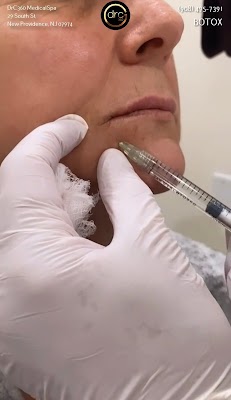
A skilled injector looks at muscle bulk, resting tone, and balance between agonists and antagonists. A forehead that reads smooth on Instagram might require fewer units if the frontalis is delicate and the glabella is well controlled. A jawline treated for bruxism or masseter hypertrophy might need 20 to 40 units per side on average, occasionally more for a robust masseter in men. For crow’s feet, a typical range is 6 to 12 units per side depending on smile dynamics. Numbers vary, but patterns do not. Realistic dosing is the backbone of both safety and value, because under-dosing wastes money and over-dosing invites results you did not ask for.
The real cost drivers behind botox deals
Why does one clinic offer 8 dollars a unit while another lists 16? The sticker hides four levers.
First, product sourcing. Genuine Botox Cosmetic from Allergan Aesthetics travels a documented path. It arrives cold, with lot numbers, and it is reconstituted with preserved or non-preserved saline per FDA labeling. If the price is suspiciously low, ask how they source and store it. Counterfeit or diverted product exists. I have seen vials without lot stickers and clinics that could not produce an invoice. That is not a discount, it is a risk.
Second, dilution practices. Allergan’s label suggests a standard dilution, but clinics vary. A clinic can reconstitute with more saline to stretch a vial. The math can mislead: a “unit” is not a milliliter, but an actual biologic unit defined by the manufacturer. If a practice over-dilutes then injects the labeled unit count, the spread is wider and the effect is weaker. Patients return for a botox refresh treatment sooner, and they think they are “fast metabolizers” when the real culprit is watery product.
Third, injector time and aftercare. A botox session that includes careful mapping, photos, and a scheduled two-week check reduces misfires. Follow-up time costs clinics money. Cheap deals often skip it, so if your left brow feels heavier than your right, you end up paying another clinic to fix asymmetry.
Fourth, overhead and business model. High-volume med spa chains can negotiate better pricing and pass some savings on. Solos carry less overhead and might charge more per unit but use fewer units through precision. Price alone will not tell you value. Watch the ratios of units to results and the clinic’s willingness to adjust.
Where deals make sense and where they do not
I favor savings that align with how botox maintenance injections work over a year. I am wary of anything that pressures you to use more or rushes your timeline.
Seasonal promotions around slower months, new patient offers that include a two-week follow-up, loyalty points from the manufacturer’s program, and packages that reflect realistic dosing patterns can be smart. For example, a combined glabella and forehead treatment typically needs 20 to 40 units for the glabella complex and 6 to 20 units in the forehead, depending on muscle strength and brow position. When a clinic builds a botox treatment plan that respects brow ptosis risk, they will explain that you cannot paralyze the frontalis across the board if you already have a low-set brow, and they will price accordingly, not as a blunt “forehead special.”
Where deals go sideways: unlimited areas for one flat fee, mandatory monthly auto-draft memberships that lock you into a cadence your face does not need, and Groupon-style vouchers that funnel you to novice injectors under tight schedules. I have reviewed membership contracts where the break-even requires you to treat every three months like clockwork at doses higher than your last set of photos justify. That is not maintenance, that is overselling.
Understanding units, areas, and outcomes
Before you chase a sale, map your goals to anatomy. If your main concern is the “11s” between the brows, you are targeting the corrugators and procerus. If you want lighter crow’s feet, you are dealing with the lateral orbicularis oculi. For a botox brow lift, the injector relaxes the depressor muscles at the tail of the brow while preserving lift from the frontalis. A botox lip flip uses very low dosing into the orbicularis oris to show more vermilion when you smile. Each of these is a different problem set, not a line on a menu.
Expect visible softening by day three to five, with peak effect near day 10 to 14. Longevity averages three to four months, sometimes two for hyper-metabolizers, and up to six for small areas or patients with low muscle mass. Preventive treatment in your late twenties or early thirties can slow etching of fine lines, but a light hand matters. Once creases are deeply set, botox cosmetic cannot fill a trench. It can relax input and prevent further folding while dermal fillers or resurfacing address the etched line. Good providers state this upfront. If a clinic promises that botox face treatment will erase static lines overnight, that is a script, not a consultation.
How to evaluate a clinic offering botox packages
You will get the most value by judging process, not price. When I visit a new practice, I ask to see their cold chain logs and how they label syringes. I observe whether sharps containers are where they belong, and whether the nurse sets the patient upright to check eyebrow position before injecting the frontalis. Small details predict large outcomes.
During your botox consultation, a solid provider will take a medical history that covers neuromuscular disorders, prior botox injections, migraine therapy dosing if relevant, anticoagulants, pregnancy or breastfeeding status, and history of keloids or unusual bruising. They will ask how your face moves when you talk, laugh, and concentrate. They will watch you animate, then mark while you are still. If the first minute of your appointment is a waiver and a ring light, that is a red flag.
The room should have sealed saline vials, not open ones sitting around. The injector should draw up in front of you or explain their sterile process if it is prepared in a clean room. If they cannot tell you which brand they are using and produce the box with the Botox name, lot, and expiration, leave. Do not accept “tox” or “we have our own version.” There are other FDA-approved neuromodulators like Dysport, Xeomin, Jeuveau, and Daxxify, each with different unit equivalence and spread. Mixing labels is fine if disclosed, but vague language is not.
Safety signals that separate pros from dabblers
Complications with botox injections are uncommon in skilled hands, but they do happen. Ptosis of the eyelid from product diffusion into the levator palpebrae can occur if injections sit too medially or too low in the glabella. A dropped brow comes from over-treating the frontalis, especially in patients who recruit it to lift heavy lids. Asymmetry crops up when one side’s corrugator runs stronger or the injection depth varies. The way a clinic handles these realities tells you who they are.
A good botox specialist will photograph you at rest and in motion, document units per point, and invite you back at two weeks to tweak within a few units if necessary. They will counsel you on aftercare that reduces spread in the first hours: remain upright for several hours, skip intense exercise the day of treatment, avoid rubbing or massaging the area, and go gentle with hats or tight headbands. They will also set expectations about bruising, especially if you take fish oil, NSAIDs, or certain supplements. They will discuss rare side effects and what to do if you notice unusual symptoms.
I remember a patient who walked in with a voucher and a freshly drooped brow from another provider. She was furious about the deal that turned her office photos into a problem. We mapped her movement and waited for partial washout, then used precise injections into the lateral brow depressors to restore a bit of lift. She did fine. But it cost her more than she would have spent on credible care in the first place, and weeks of selfies she did not want to post.
How package pricing usually works
Most packages fall into a few buckets. Packages by area bundle glabella, forehead, and crow’s feet. Packages by goal target a botox brow lift, jaw slimming for masseter reduction, or a neck treatment for platysmal bands. Packages by cycle sell you two to four sessions up front at a discount, encouraging regular botox maintenance treatment. Annual memberships pair botox cosmetic with laser or skincare perks.
What I like in a package: a stated unit range tied to your anatomy after a proper evaluation, roll-over units if you do not use them all, and a two-week follow-up baked in. What I avoid: unlimited touch ups phrased like lures, aggressive time limits that force you in before full effect, and one-size-fits-all unit counts for women versus men. Gender does not dictate dose; muscle strength and pattern do. Men often need more in the glabella or masseter, but I have seen wiry athletes of any gender require more or less than their friend group expects.
Negotiating value without compromising the standard of care
You can save money without losing quality if you think like a frequent flyer. Regulars get better routes and better fares.
Ask about manufacturer rewards. Allergan’s program often rebates 20 to 40 dollars per treatment. Over four sessions a year, that pays for your next touch up. Ask if the clinic prices by unit or by area, and how they handle partial areas. If your crow’s feet are minimal, paying for a fixed “area” at 24 units when you only need 8 to 12 per side wastes money. If your glabella is strong, per-unit pricing might climb. Sometimes a blended approach works: area-based for small zones, per-unit for variable ones.
Book during shoulder times. Weekday mid-mornings or late afternoons sometimes carry quiet discounts. Refer a friend incentives can be real if the practice wants more botox cosmetic patients. Prepaying for two sessions at a verified practice can secure a small discount while protecting your follow-up with the same injector. Just avoid prepaying a full year unless you know your cadence and the clinic’s stability. Med spas open and close faster than dermatology practices. I have watched more than one fold with a vault of unredeemed credits.
If a clinic offers a new patient botox deal, bring your last dosing map or describe units that gave you results you liked. “I had 30 in the glabella and 10 across the forehead, with a light touch on the crow’s feet, and I could still lift my brows” is data the injector can use. Vague recollections lead to guesswork.
Special cases: migraine, sweating, TMJ, and results beyond wrinkles
Not all botox injection therapy aims at beauty. For chronic migraine, botox for headache follows the PREEMPT protocol with dosing patterns across the scalp, forehead, and neck. Insurance sometimes covers it. Do not try to substitute a cosmetic deal for a medical protocol. Migraine dosing is higher and spread differently. For botox for hyperhidrosis in underarms or palms, pricing usually runs by area or by a fixed number of units per side, and results last longer on average than facial lines. For botox for TMJ or bruxism, masseter dosing requires care to avoid changing your smile or chewing strength more than intended. Discuss the trade-off: jaw slimming for contour can soften lateral cheek fullness but may slim too much if you also lose weight or maintain a strict chew-heavy diet.
I have treated patients who love the softening in the lower face for a cobblestone chin or downturned mouth corners. A bit of botox for chin dimpling or for gummy smile can be elegant, but the margin for error tightens as you move away from the classic upper face. That is another reason to avoid steep discounts in these zones. You want an injector who spends most days in faces, not a generalist who dabbles.
Red flags that should stop you from handing over your card
Trust your nose when something feels off. I keep a mental list that has saved more than one friend from a mistake.
- The clinic cannot show you the Botox box with a lot number or dodges questions about dilution. Units are sold in blocks that do not match your map, and the injector discourages a two-week check. A staffer promises a result that requires filler or resurfacing, but they claim botox for face alone will do it. The injector cannot name the muscles they are treating or explain why they are skipping certain forehead points to protect your brow position. Pressure tactics like “This price expires in 30 minutes” show up in a medical setting.
If three of those show up, walk out. Your face will thank you.
The math of value: a simple framework
Let’s assume you are treating the glabella, forehead, and crow’s feet. A reasonable range might be 20 to 40 units for the glabella, 6 to 20 for the forehead, and 12 to 24 for crow’s feet combined. Say you land at 60 units total. At 12 dollars per unit, that is 720 dollars per session. If you need three sessions a year, 2,160 dollars before rebates. If a high-quality practice offers 10 dollars per unit during a quarterly promo with a 40 dollar manufacturer rebate, you would pay 560 per session, or 1,680 a year, saving nearly 500 without compromising the chain of custody or the injector’s time. That is a deal worth chasing.
Contrast that with a 399 dollar “full face” special that quietly dilutes and pushes you back every two months because the effect fades early. Four to five visits a year at 399 is 1,600 to 2,000 dollars, plus the cost of correcting minor asymmetries. The cheap plan ends up the same or more, with worse experience. Value hides in durability and precision, not the flyer.
First-timer advice so you like your first photos
If this is your botox first time, keep it simple. Treat one or two areas so you can understand how your face responds. Take your own before photos in consistent light at rest and with expression. Do not chase a botox face lift alternative and a botox lip flip on day one. Get your forehead and frown lines balanced first. If you love the change, expand cautiously. Start conservatively in the frontalis to avoid a heavy brow. If you already have lid heaviness, skip the midline frontalis entirely and let the glabella carry more of the load, with tiny lateral frontalis touches to prevent bunny-ear lines.
Disclose everything at the botox appointment, including supplements, last illness, and if you plan air travel that day. Flying is not inherently risky, but combine altitude with rubbing your face into a neck pillow and you might nudge diffusion. Sleep on your back the first night if you can. If you exercise daily, schedule your botox session on a rest day.
How long results last and what that means for your wallet
Most patients stabilize on a schedule of every 12 to 16 weeks for upper-face botox wrinkle reduction. Some stretch to 20 weeks. Jawline or masseter treatments often push past four months because chewing muscles respond differently. If you notice your movement return at 8 to 10 weeks consistently, look at dose and dilution before you assume you are a fast metabolizer. Sometimes bumping the glabella by 4 to 6 units or correcting injection depth fixes the two-month fade.
Budgeting becomes easier when you know your cadence. If you plan on three sessions a year and target 40 to 70 units per session, set aside the annual cost, then subtract expected loyalty rebates. Ask your clinic to map a one-year botox treatment plan with unit estimates and preferred windows. Locking dates with the same injector keeps your photos and dosing consistent, which is the quiet engine of good results.
When to walk away from a deal and wait
There are reasons to delay even a legitimate bargain. If you are two weeks from a wedding or a high-stakes event, DrC360 botox NJ do not switch providers or chase a new area. If you are ill, on antibiotics, or have a skin infection near the injection sites, reschedule. If you are pregnant or breastfeeding, standard guidance is to avoid botox cosmetic. If you are experimenting with retinoids, lasers, or chemical peels, space your botox session out so swelling does not confuse your map.
Deals come around. Your face only has one set of elevators and pulleys. Treat them kindly.
Bringing it together: a practical path to safe savings
Two habits will save you more money than any coupon. First, choose a provider who treats you like a long-term project rather than a one-off. They will calibrate your dosing so you do not overpay in units you do not need. Second, maintain your results with steady intervals and good aftercare so you are not paying to fix diffusion or asymmetry.
The best discounts are the ones you barely notice because they are baked into a well-run practice: loyalty points, realistic unit bundles, a two-week follow-up that prevents unnecessary returns, and a clinic that keeps photos and dosing notes so you can replicate the botox results you love. Boutique or chain, dermatologist office or med spa, it comes down to the same core: genuine product, skilled hands, honest assessment, and a plan that fits your face, not the clinic’s calendar.
If I could give one final piece of advice to anyone hunting for botox deals, it is this: buy the injector, not the price. A fair price from the right person beats a great price from the wrong one every single time. Your forehead, your crow’s feet, your jawline, even your gummy smile can all be treated beautifully. Pay for the judgment that knows when to stop. That is where safety lives, and it is also where the real value hides.